
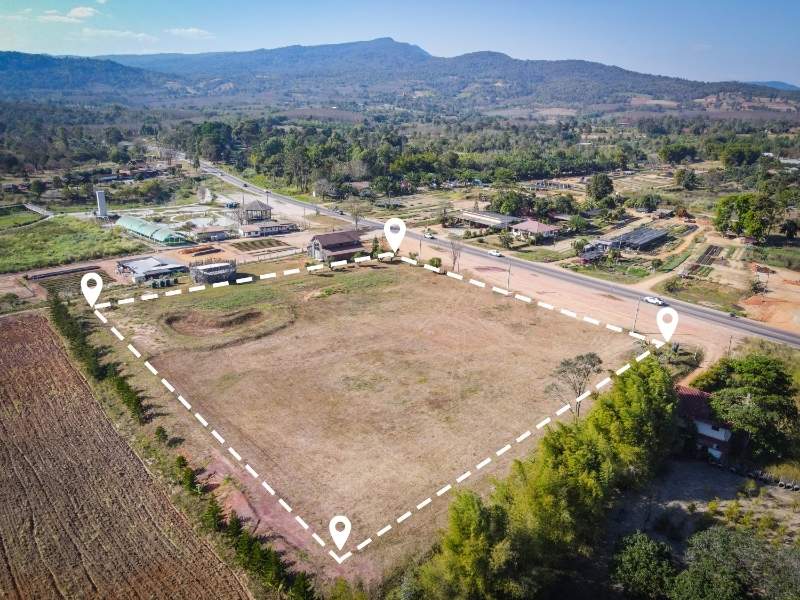
Raw land and usable land are not the same thing. A 20 acre parcel might only give you 12 buildable acres. The rest gets eaten up by floodplain, slope, and required setbacks. Land development is the process that closes that gap. It turns a piece of dirt with limited use into space that can hold buildings, roads, and people. For developers, knowing how much of a site will end up usable through land development is the difference between a good deal and a parcel that eats your budget.
What Usable Space Actually Means on Raw Land
Gross acreage is just a number on the deed. It tells you nothing about what you can build. Land development starts by figuring out what’s left once you pull out the parts of a site that can’t hold construction. Floodplain. Wetlands. Steep slope. Setbacks from property lines. Easements that already cross the land. Once you subtract all of that, the number left over is often smaller than buyers expect.
Why Gross Acres and Buildable Acres Are Different Numbers
A site listed at 20 acres might only support construction on 12 of them. The other 8 could sit in a flood zone. They could carry a utility easement. They could sit on a slope too steep to build on. This gap is normal in land development. The mistake is not knowing about it before you buy.
The Steps That Turn Raw Land Into Usable Space
Land development moves through a set order. Entitlements come first. This step gets the site approved for the type of use you want. Infrastructure comes next. Roads, water lines, sewer connections, and power need to reach the site before anything else can happen. Grading and site prep follow. Crews shape the ground so it drains right and sits at the correct height for construction. Final lot creation comes last. The site gets split into the parcels that actually get sold or built on.
Each Step Removes a Different Barrier to Building
You can’t build on land without legal use approval. You can’t build on land without water or power. You can’t build on land that hasn’t been graded to handle stormwater. Each step in land development removes one of these barriers. Skip a step, and the next one gets harder and more costly.
How Land Development Changes What a Parcel Is Worth
Raw land carries the lowest value a parcel will ever have. Once a site clears entitlements, its value jumps. A buyer now knows what they’re allowed to build there. Value jumps again once infrastructure reaches the site. A builder no longer has to pay for those connections themselves. By the time lots are final and ready to build on, land development has pushed the parcel’s value far above what it was as raw, untouched acreage.
Why Developers Pay More for Land That’s Already Through the Process
A finished, entitled lot costs more than raw acreage for a clear reason. Someone already took on the risk and cost of pushing it through land development. Buying raw land can save money up front. But it shifts all of that risk and cost onto you. Buying improved land costs more. It comes with a shorter timeline and fewer surprises along the way.
Why Lenders Care About the Same Gap
Banks look at usable acreage too, not just the number on the deed. A loan based on 20 gross acres looks very different once a lender learns only 12 are buildable. Most lenders want to see that gap measured before they release funds, often through a land development study or feasibility report. A clear picture of usable space gives them more confidence in the collateral. It also gives you a stronger position when you negotiate loan terms.
Common Reasons Usable Space Ends Up Smaller Than Expected
Buyers often size up a parcel using the number on the listing. That number rarely matches what actually applies once land development starts. Floodplain maps can cut into a site more than expected. Required open space rules can pull a chunk of buildable land out of play. Steep grades can rule out whole sections of a parcel. Drainage and utility easements running through the property can block development on land that otherwise looks ready to go.
Planning for the Gap Before You Buy
The fix here is simple. Get a real read on usable acreage before you commit to a price. A site that looks like a deal at 20 acres might price out very differently once you learn only 12 of those acres can hold construction. That gap changes your numbers. It changes your timeline. It changes what you can actually build there.
Land development is not just paperwork and permits. It’s the process that turns a number on a deed into space you can actually use. Know the gap between gross acreage and usable space before you buy. The rest of your land development project gets a lot more predictable after that.
Frequently Asked Questions
What does land development actually mean?
Land development is the process that turns raw land into space you can build on. It covers approvals, infrastructure, grading, and final lots. Each step removes one barrier that stood in the way.
Why is usable space smaller than the listed acreage?
Floodplain, wetlands, slope, setbacks, and easements all cut into the number on the deed. A 20 acre site might only give you 12 buildable acres once those get subtracted. This gap shows up on most raw parcels before land development begins.
How does land development affect a parcel’s value?
Raw land holds the lowest value a site will ever have. Value rises once it clears approvals. It rises again once roads and utilities reach the site. It rises further once lots are final and ready to build on.
What steps turn raw land into buildable lots?
Land development moves through approvals, infrastructure installation, grading and site prep, and final lot creation. Each step has to happen before the next one can start. Skip a step, and the next one gets harder and costs more.
Why do lenders care about usable acreage?
Lenders look at what a site can support through land development, not just the number on the deed. A clear read on usable space gives a lender more confidence. It can also help you when you negotiate loan terms.
